Architecture
FastMCP native integration
EGL/OSMesa headless · cinematic lighting · PBR
Vortex detection · stagnation points · BC parsing
Physics-driven · timeline · compositor · video
50+ input formats via VTK + meshio
One Pipeline, Every Domain
Every render is a single MCP tool call — no GUI, no post-processing, no ParaView. VTK-native annotations rendered inside the 3D scene.
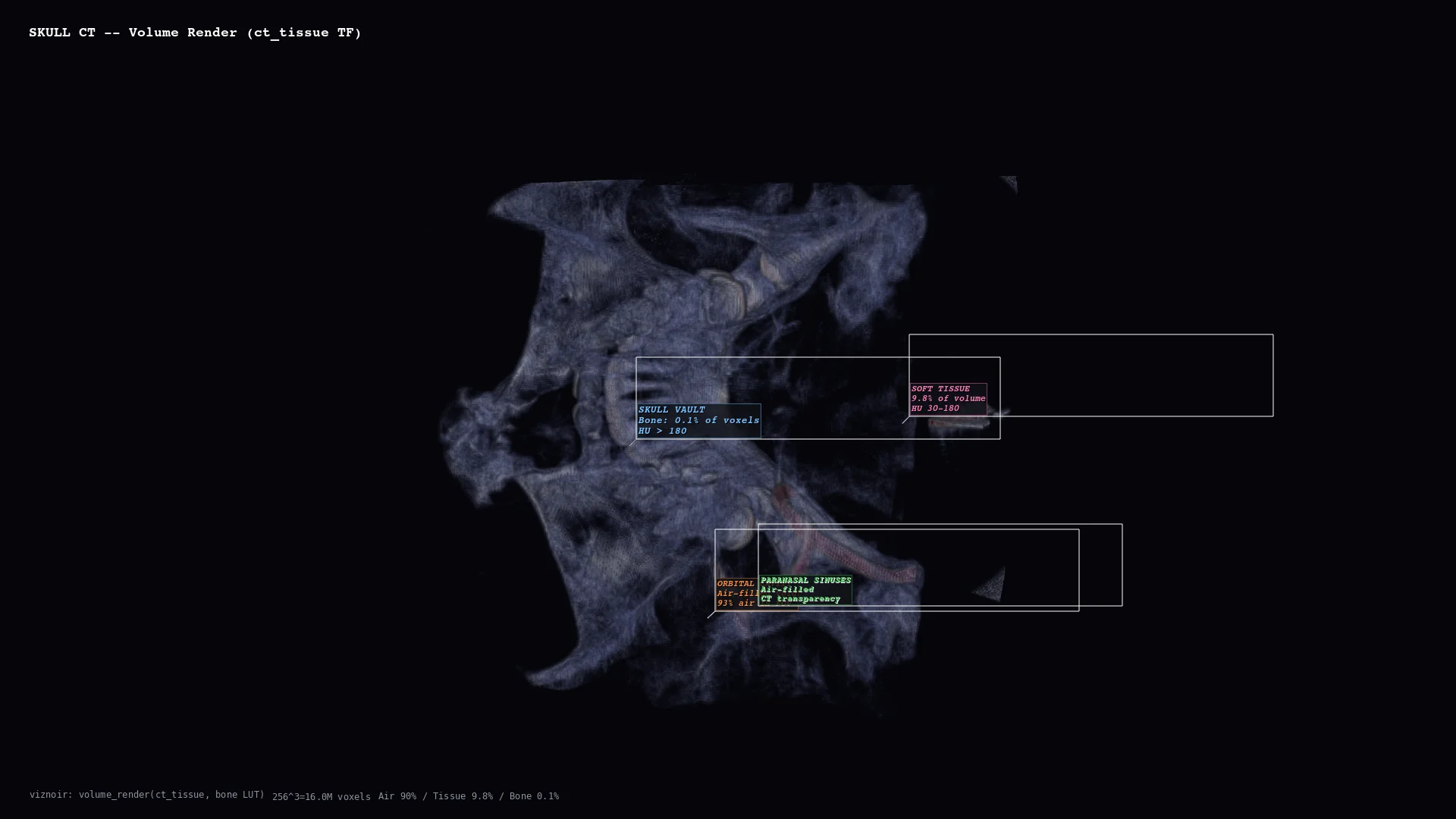
CT skull volume rendering
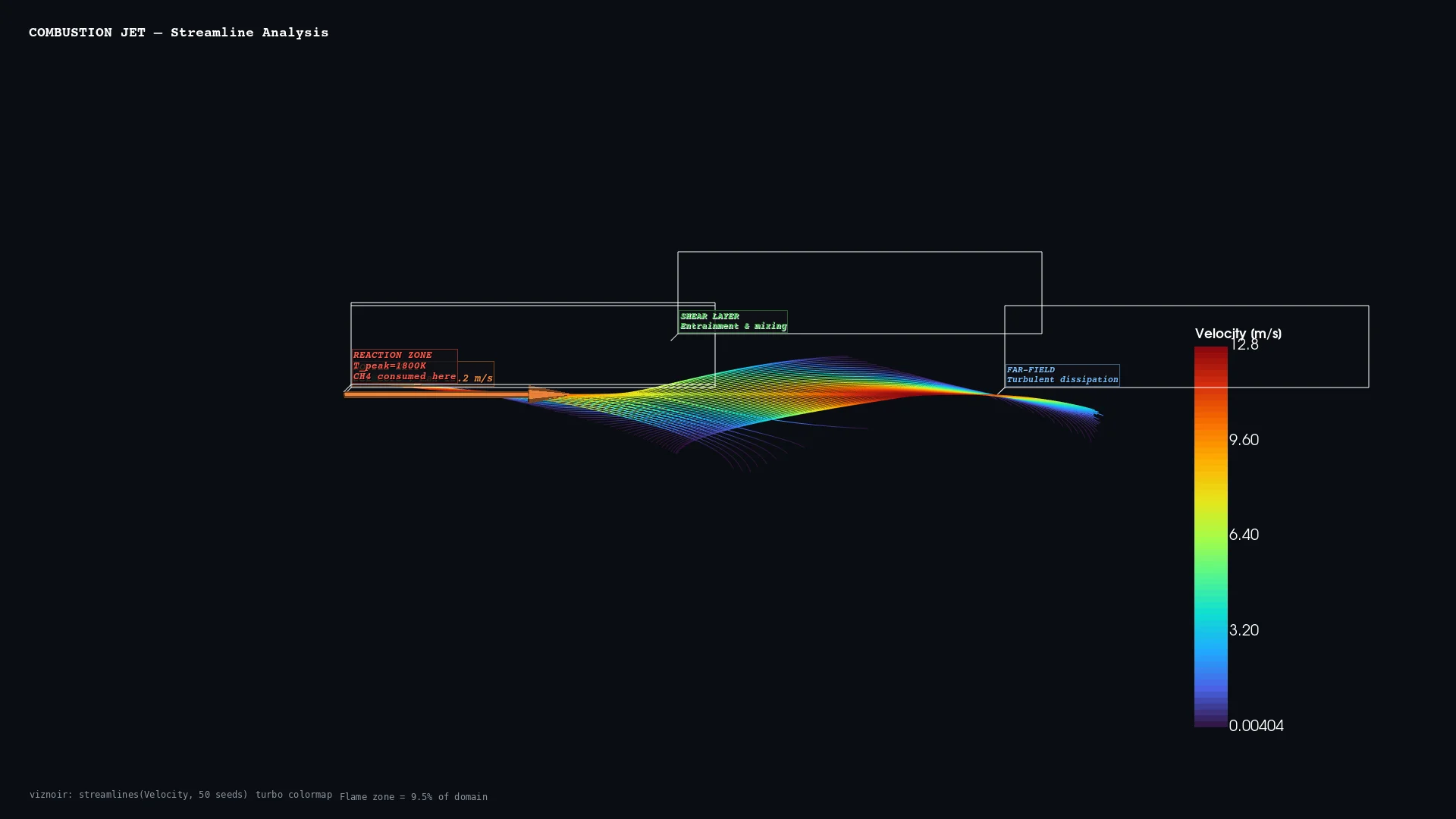
Combustion streamlines
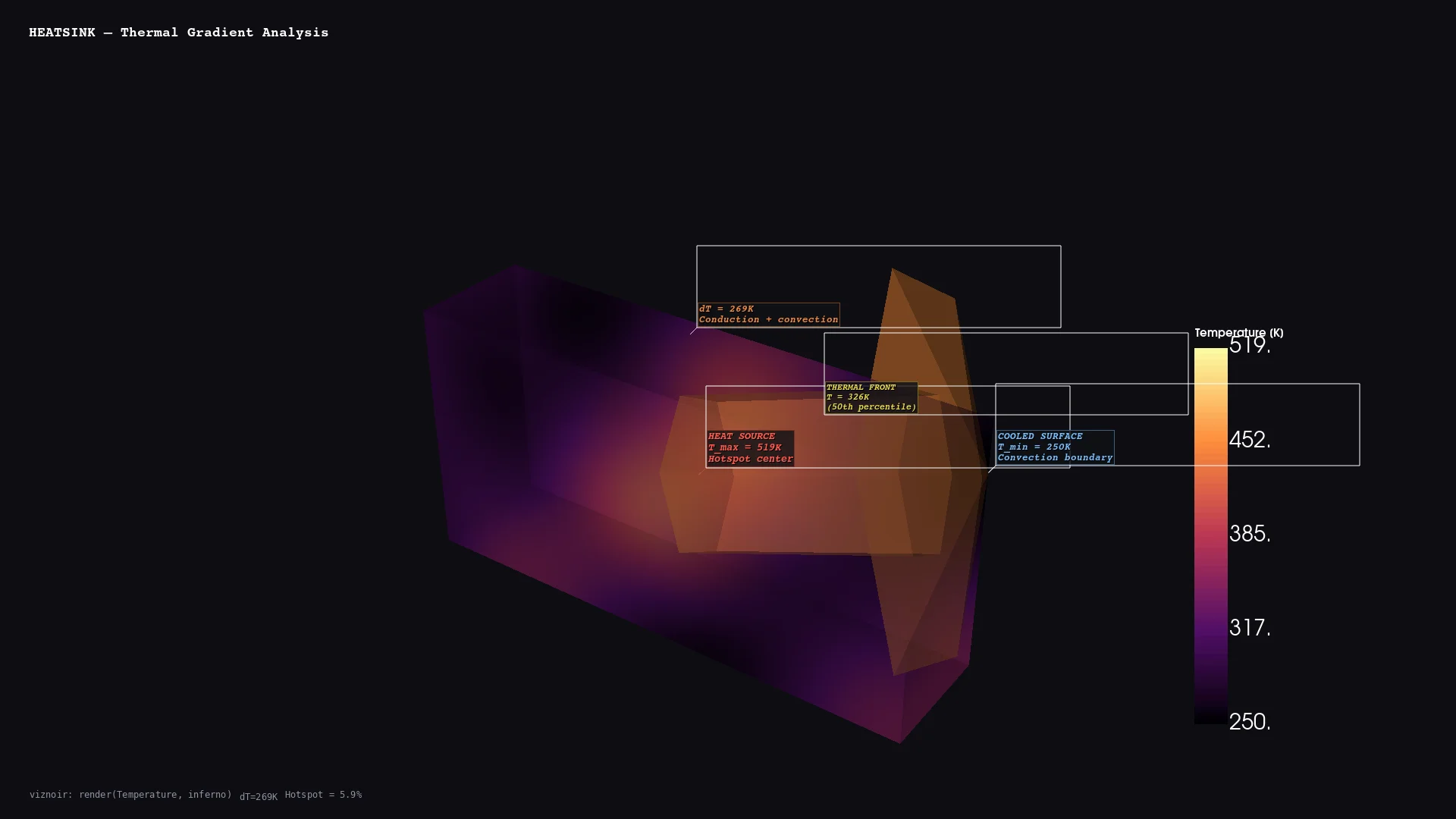
Heatsink gradient
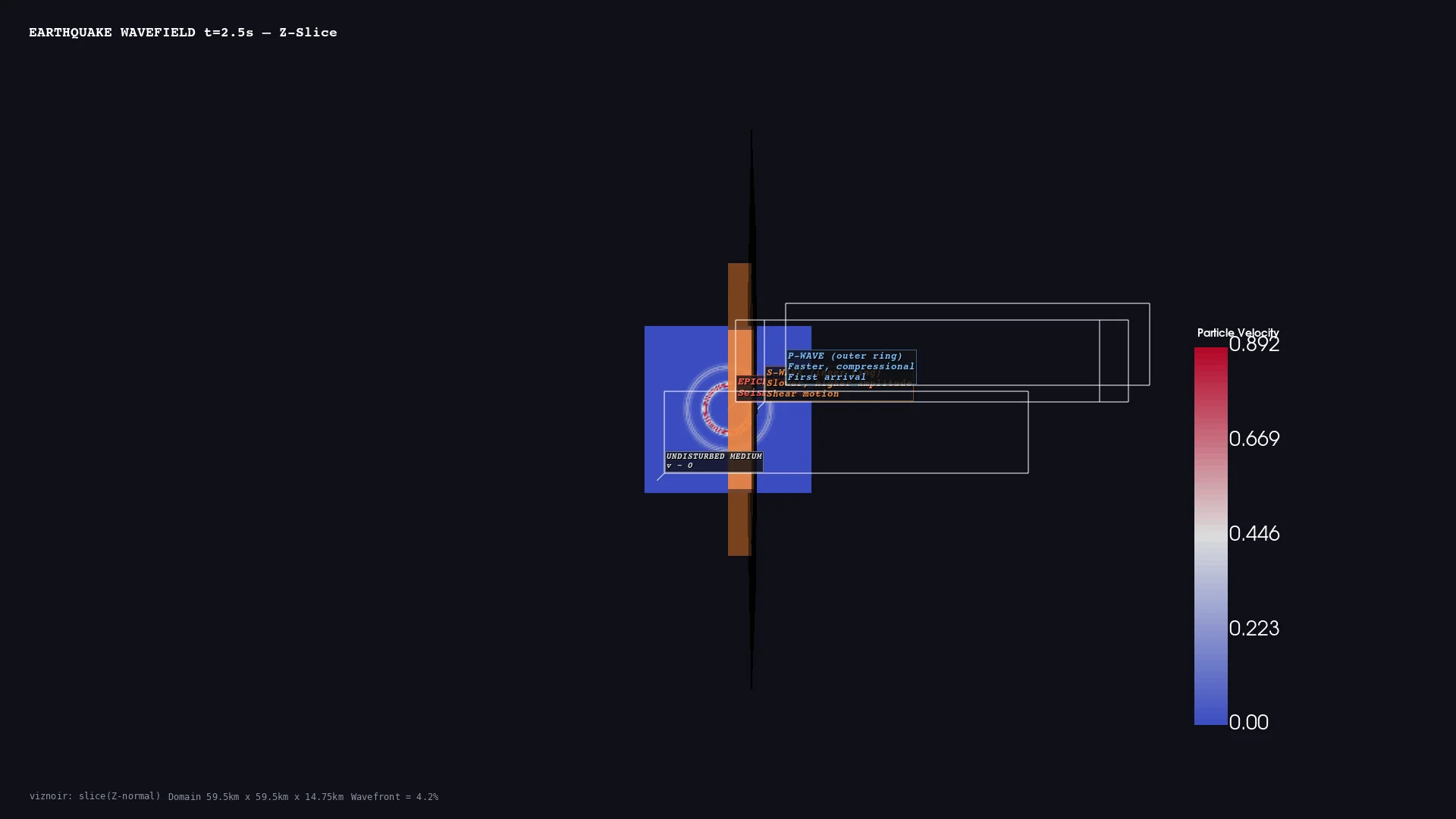
Seismic wavefield
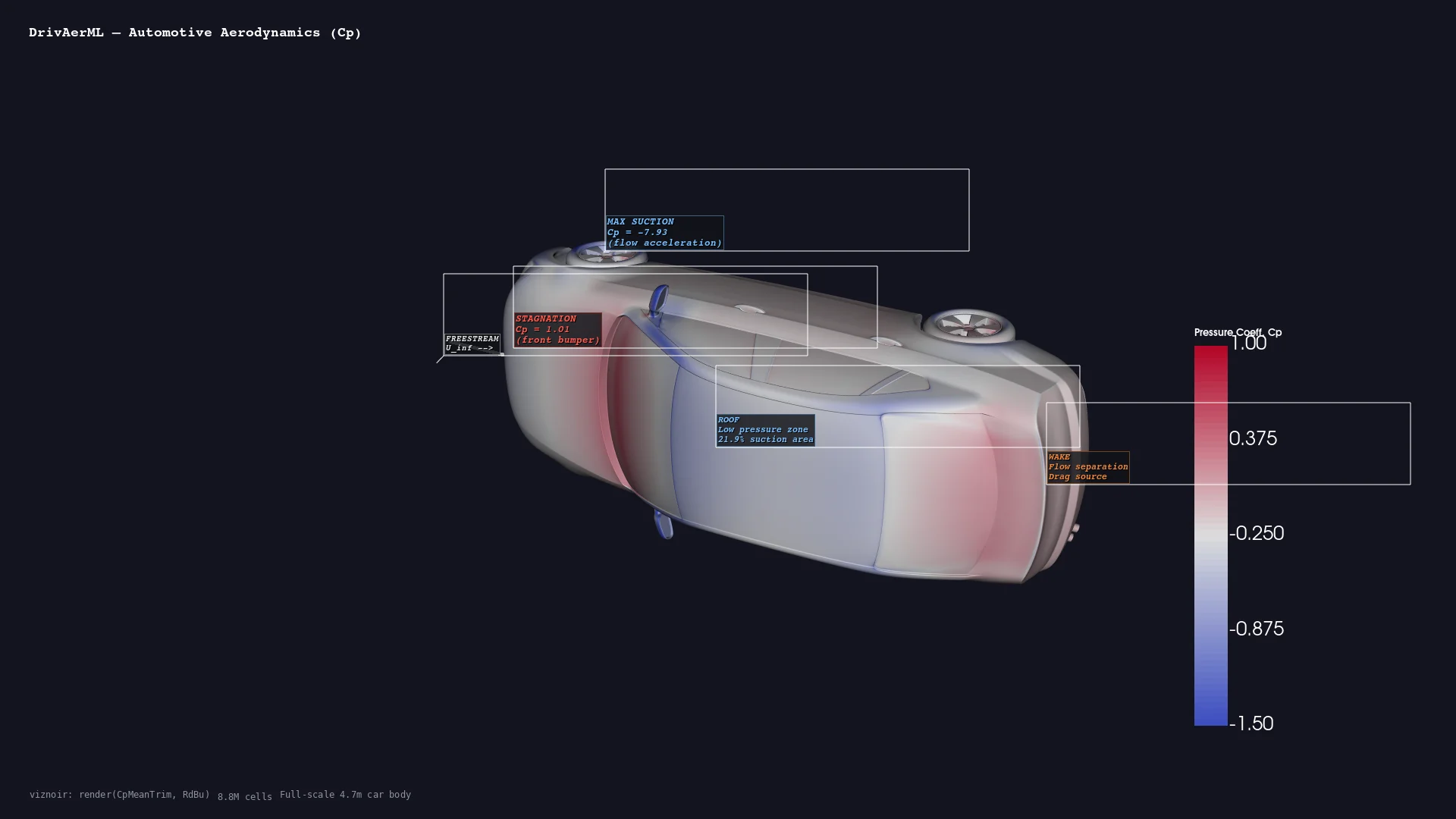
DrivAerML Cp · 8.8M cells
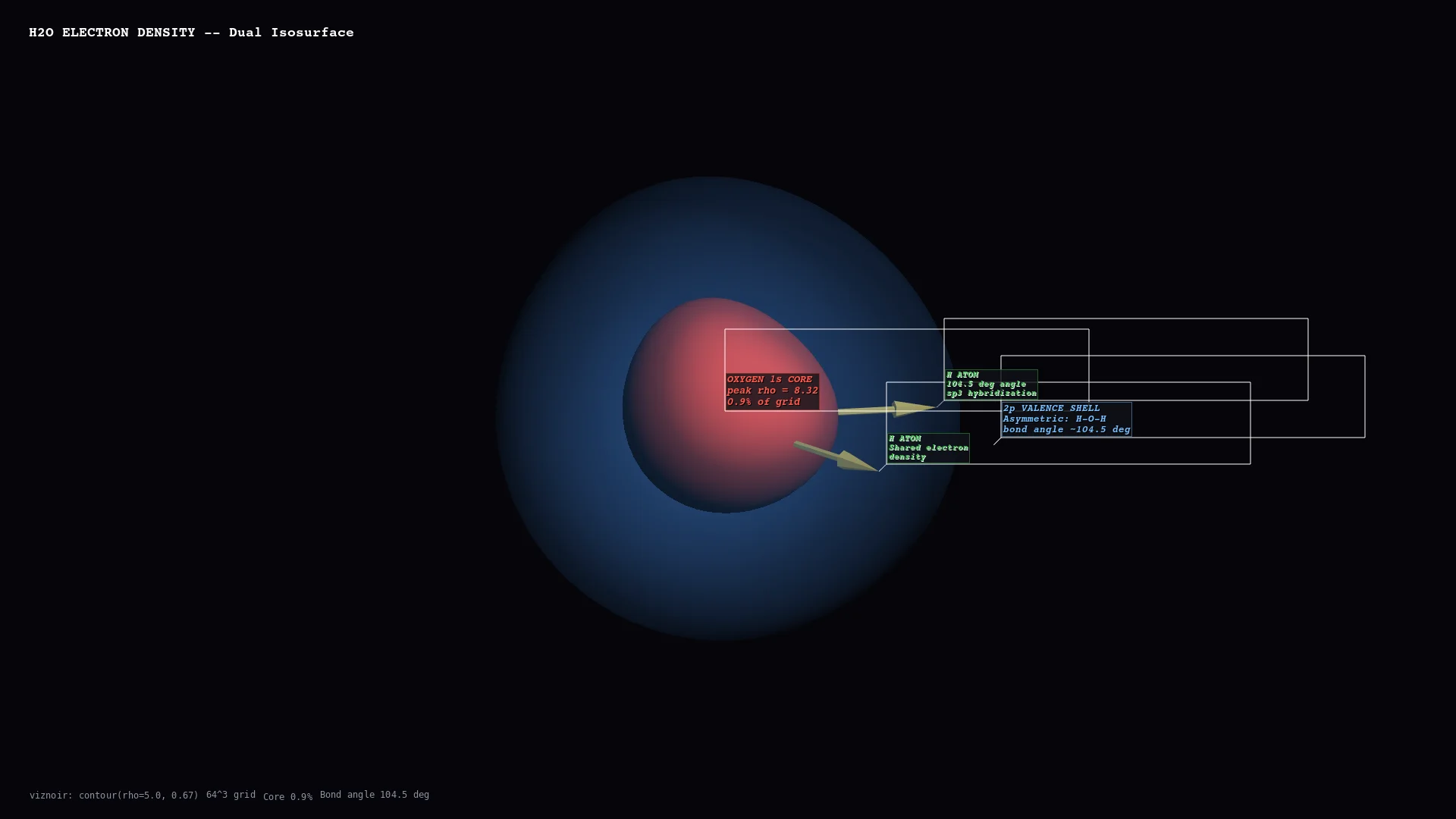
H₂O electron density
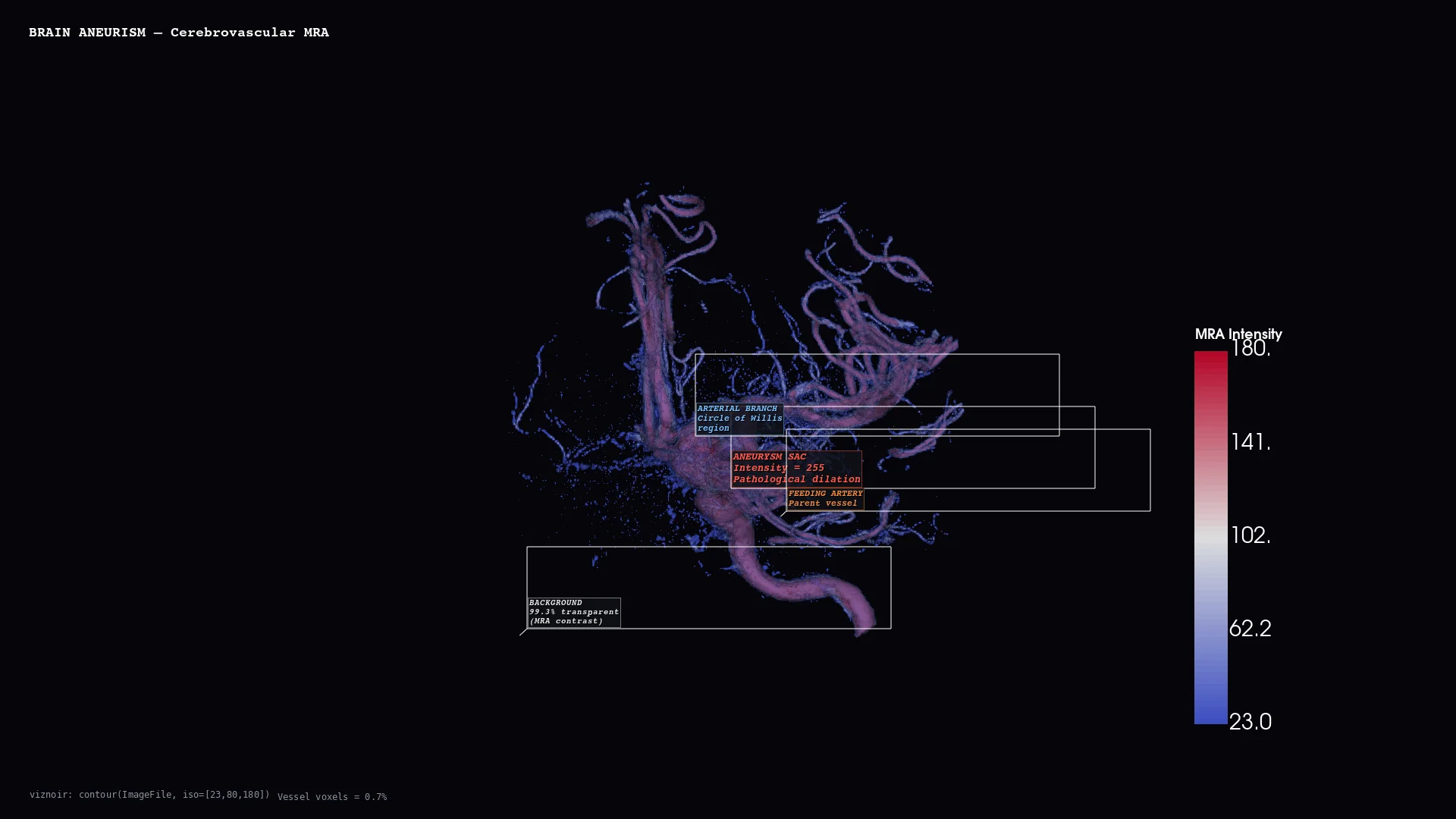
Cerebral aneurysm MRA
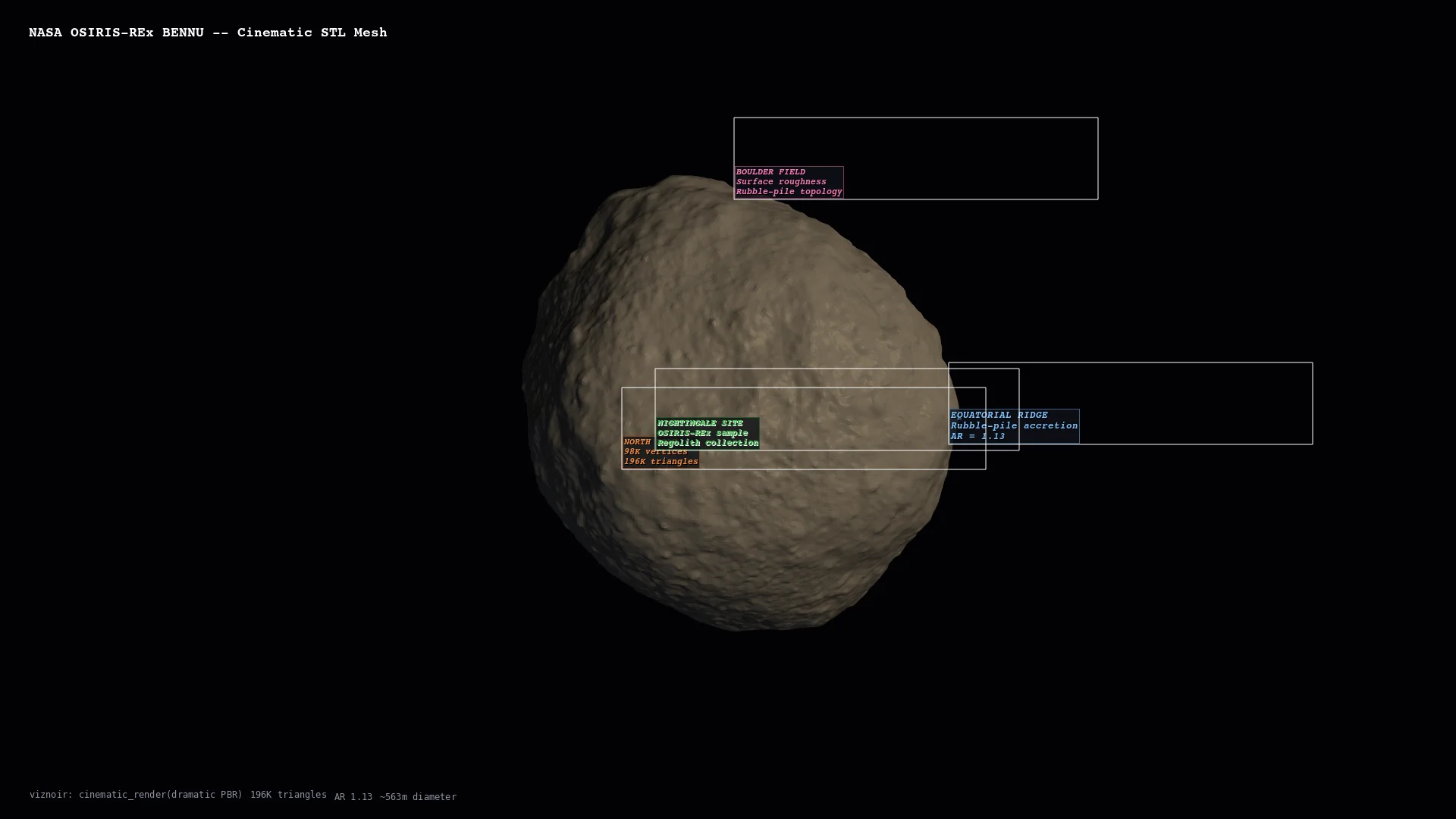
Bennu · 196K triangles
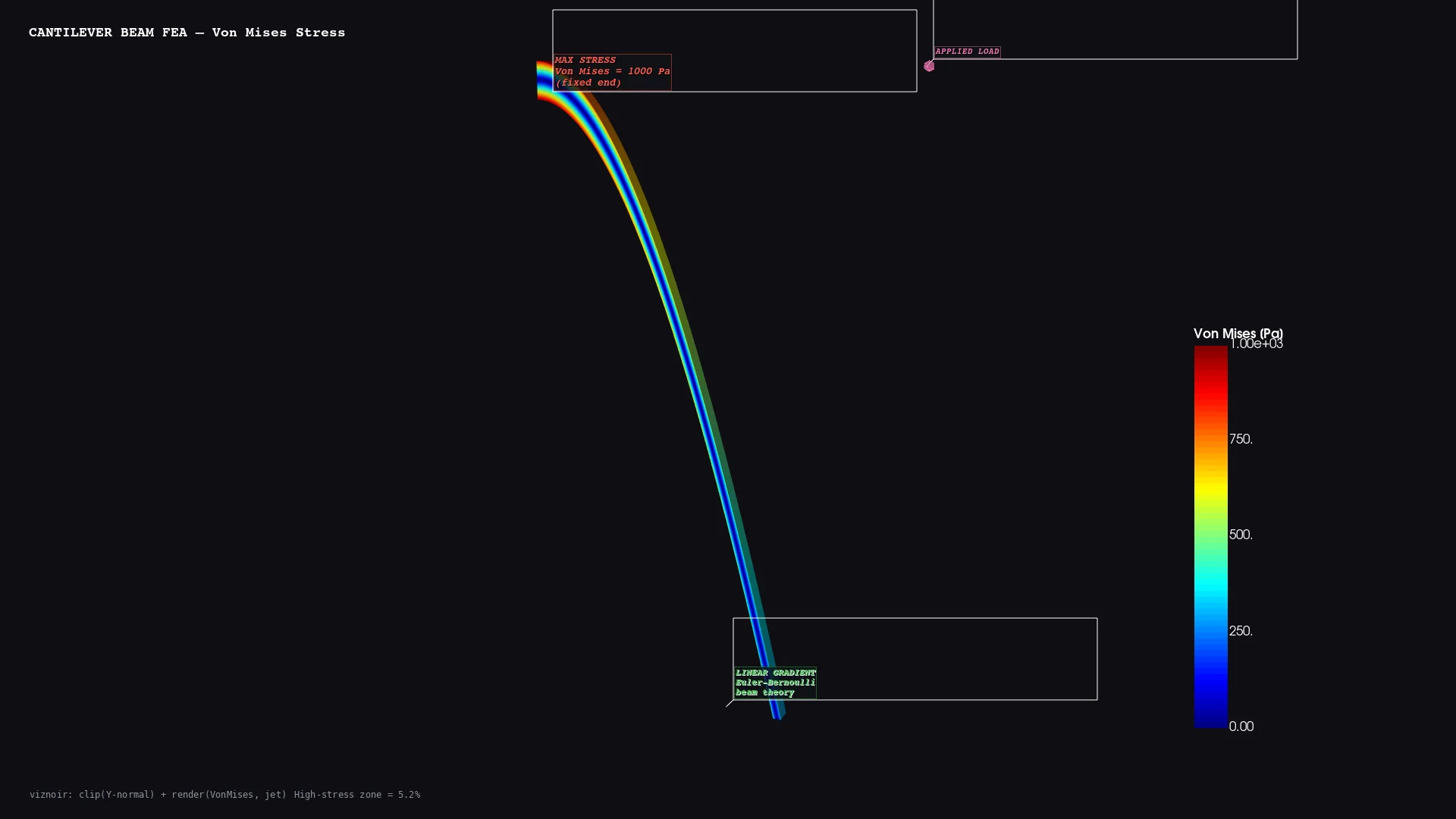
Cantilever FEA stress
Thermal threshold
Physics Insights, Not Just Pixels
Extract physics, render LaTeX equations, compose cinematic story layouts. One pipeline, one command.
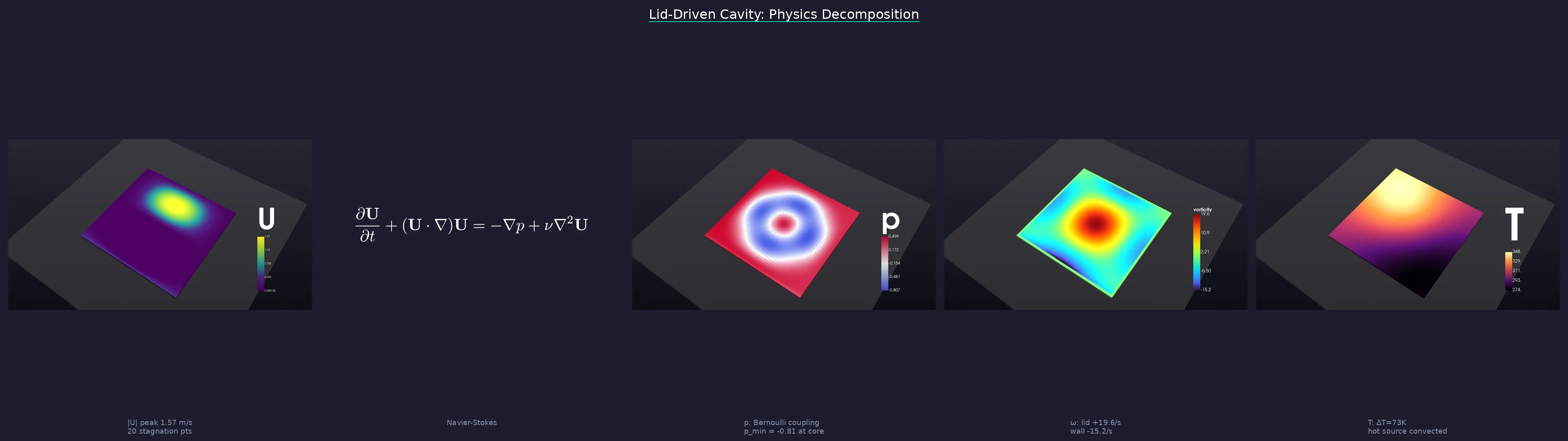
inspect_physics → cinematic_render × 4 → LaTeX equations → compose_assets
Every Effect Has a Physical Reason
Not slideshows — real VTK frame-by-frame rendering with physics-driven presets.
Streamline Growth
Lagrangian advection
streamline_growth Clip Sweep
Pressure gradient cross-section
clip_sweep Layer Reveal
CT density classification
layer_reveal Iso Sweep
Orbital topology
iso_sweep Warp Oscillation
Structural mode shape
warp_oscillation Light Orbit
Oblique illumination
light_orbit Threshold Reveal
Feature hierarchy
threshold_reveal Get started in 3 steps
Install
One-line pip install
pip install mcp-server-viznoirOr with Claude Code:
claude install kimimgo/viznoir Configure
Add to your MCP config
{
  "mcpServers": {
    "viznoir": {
      "command": "mcp-server-viznoir"
    }
  }
}Use
Prompt in natural language
"Analyze cavity.foam, then compose
a story with LaTeX equations"